How to Reduce No-Shows Without Losing Clients
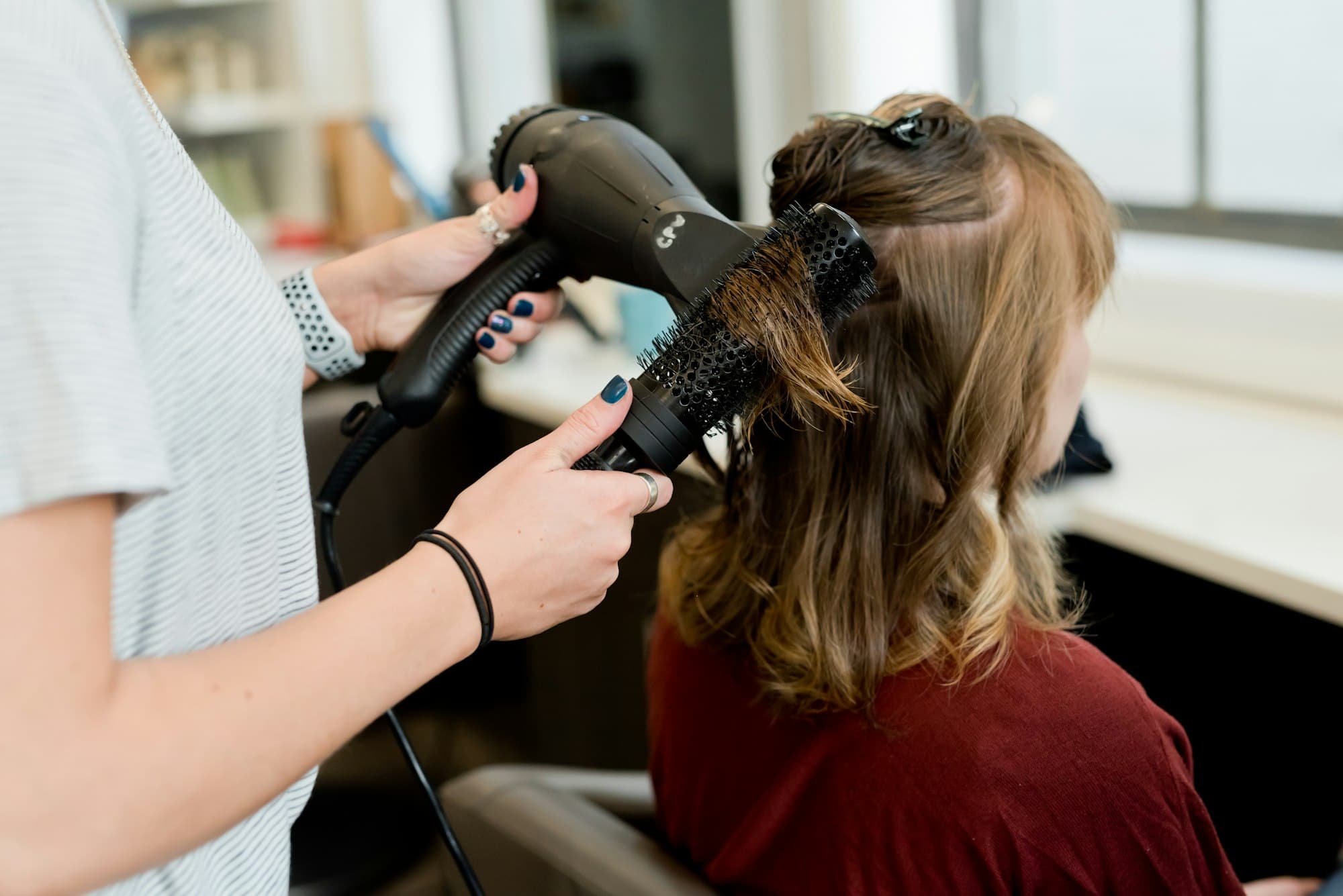
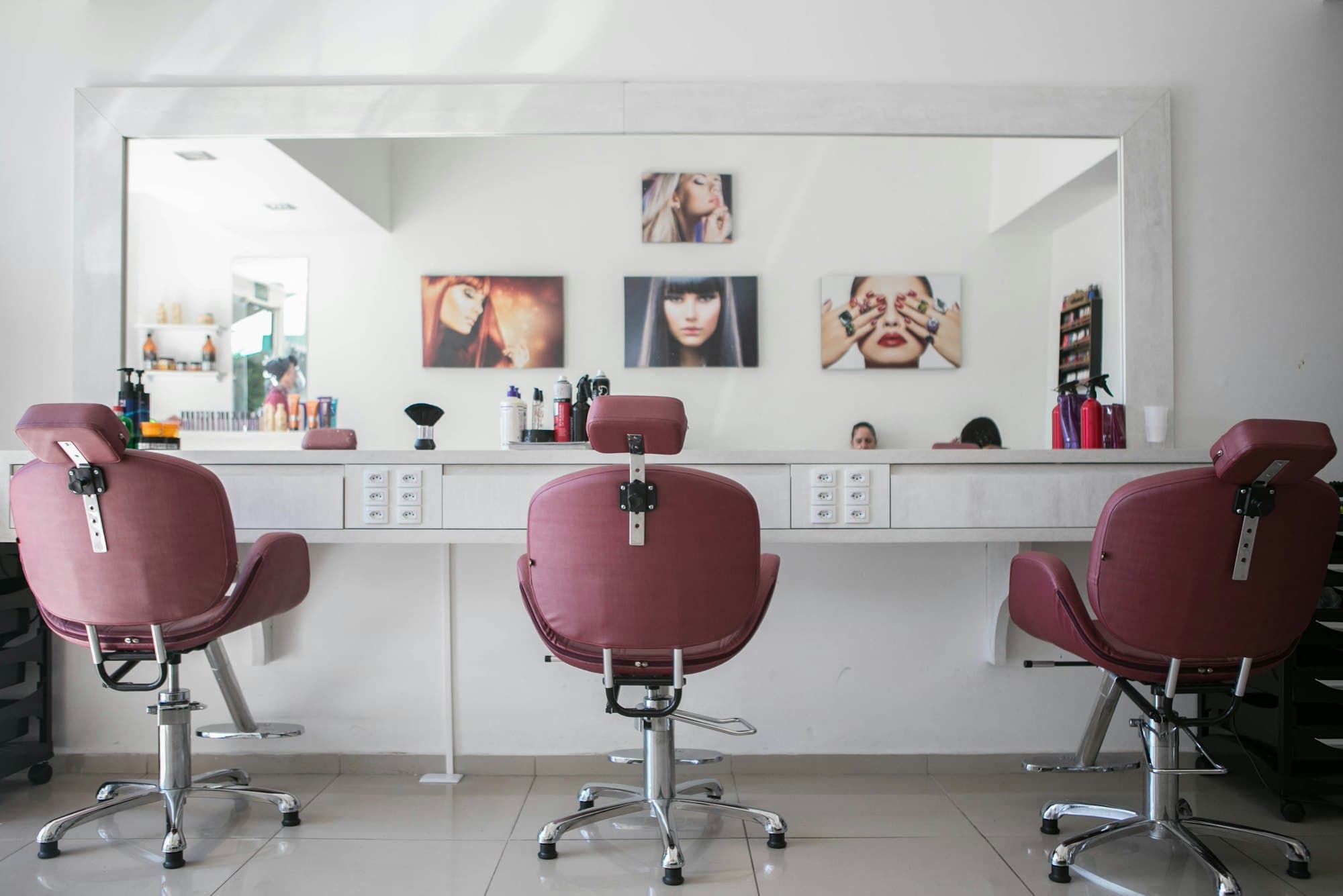
Every empty chair on a fully-booked day is money you will never get back. A no-show is not just a lost service, it is a lost retail sale, a lost tip, and an hour your stylist could have spent on someone else. For a busy salon, that adds up to thousands of dollars a month.
The good news: no-shows are one of the most fixable problems in the business. Salons that put a real system in place routinely cut them by 60–70%. The trick is to protect your schedule without making clients feel policed. Here is how to do both.
Start with the math, not the emotionCopy a link to this section
Before you change anything, put a number on the problem. Pull last month's calendar and count:
- How many booked slots turned into no-shows or last-minute cancellations
- The average ticket value of those slots
- The percentage of no-shows that happened with specific clients or at specific times
Most owners are shocked to find that a small handful of repeat offenders and a couple of "dead" time windows account for the majority of the damage. You do not need to punish your whole client base to fix a problem caused by 10% of it.
Layer one: require a card on file or a depositCopy a link to this section
The single biggest lever is skin in the game. When a client books with nothing at stake, the appointment is free to abandon. When there is a card on file or a small deposit attached, showing up becomes the path of least resistance.
You have three escalating options:
- Card on file, the client saves a card at booking. Nothing is charged unless they no-show. Lowest friction, works for most established salons.
- Partial deposit, a fixed amount or percentage is collected up front and applied to the final bill. Best for high-demand stylists and long services like color or extensions.
- Full prepayment, reserved for premium services, new clients with a history of flaking, or peak dates.
A deposit is not a punishment. It is a promise, in both directions: the client promises to show, and you promise to hold that time exclusively for them.
You do not need the same rule for everyone. Loyal weekly regulars can book freely; new clients and last-minute weekend slots get a card requirement. Tiering the policy keeps trust high where you have earned it and protects you where you have not.
Still Managing Your Salon Manually?
Bookings, payments, commissions, and reports, all in one system. Stop guessing and start growing.
Layer two: fix your reminder cadenceCopy a link to this section
Most no-shows are not malicious, they are forgetful. People book three weeks out, life happens, and the appointment falls off their radar. A well-timed reminder sequence solves the majority of these.
The cadence that works best in practice:
| When | Channel | Purpose |
|---|---|---|
| At booking | Email + SMS | Confirm details, add to calendar |
| 72 hours before | SMS | Early warning, easy reschedule window |
| 24 hours before | SMS | Final confirmation with one-tap confirm |
| 2 hours before | SMS | "See you soon" nudge |
The 24-hour message is the workhorse. Make it interactive, let the client confirm or reschedule with a single tap. Every client who reschedules two days out instead of vanishing is a slot you can refill.
Do not over-message. Four touches across three weeks feels helpful; ten feels like nagging and gets muted. The goal is presence, not pressure.
Layer three: keep a live waitlistCopy a link to this section
Reminders reduce no-shows. A waitlist makes the ones you cannot prevent hurt far less.
When a client cancels the morning of, an automated waitlist instantly offers that slot to people who wanted an earlier time. A canceled 2:00pm becomes a filled 2:00pm within minutes, no phone calls, no scrambling. Over a month, a working waitlist recovers a meaningful share of would-be empty chairs.
The waitlist also changes client behavior. When people know a slot is in demand and someone is waiting to take it, they treat their booking more seriously.
Layer four: write a fee policy you can actually say out loudCopy a link to this section
Fees only work if they are clear, fair, and communicated before the client books, not sprung on them after. A policy people understand in advance gets accepted; a surprise charge gets a chargeback and a bad review.
Keep it simple and put it in writing at booking:
- Cancellations with more than 24 hours notice: free, reschedule anytime
- Cancellations inside 24 hours: 50% of the service
- No-shows: 100% of the service (or the deposit is kept)
Then give your front desk and stylists a script so nobody has to improvise an awkward conversation:
"Just so you know, we hold your time exclusively, so we ask for 24 hours notice to cancel or reschedule without a fee. You will get a reminder the day before with a link to change it if anything comes up."
For a genuine first-time emergency, waive the fee and note it on the account. For a repeat offender, the policy does the talking for you. The point of a fee is not the revenue, it is to make "just not showing up" a decision with a consequence, so it stops being the default.
Handle the awkward moment with graceCopy a link to this section
When a no-show fee does apply, lead with empathy and let the policy be the "bad guy":
"I completely understand things come up. Because we held the time and could not fill it, the 24-hour policy applies here. I have your card on file, so you are all set, and I would love to get you rebooked."
Notice what that does: it is warm, it references the policy the client already agreed to, and it immediately pivots to the next booking. You keep the relationship and the revenue.
Put it on autopilotCopy a link to this section
The reason most salons never fix no-shows is that every layer above sounds like more manual work, more texts to send, more cards to chase, more fees to awkwardly collect. Doing it by hand, it is.
This is exactly the kind of grind Perceny is built to remove. Deposits and cards on file are captured automatically at booking, reminder sequences fire on their own, the waitlist backfills canceled slots without a phone call, and cancellation and no-show fees are applied according to the policy you set once. You define the rules; the system enforces them consistently, so your team never has to play collector.
Salons running this full stack, deposits, cadence, waitlist, and clear fees, give themselves the best chance of cutting no-shows. It is not a single trick. It is a system that protects your schedule while your clients still feel taken care of.